 To All Posts
How the Best Tech Companies Use Patents

When I first got to Facebook, I was dying to know how the world’s top companies actually used patents. Up to that point, all I knew was how to write and obtain high-quality ones — the craft, not the strategy.
It didn’t take long to realize there were really two main strategies in tech. (Biotech and pharma play a different game.) In tech, companies tend to use their portfolios either defensively or offensively. The newer, faster-growing ones are usually defensive.
A defensive portfolio can do two things: deter or counterattack.
Deterrence is simple. Your portfolio is public, and if it looks formidable, would-be plaintiffs might think twice. They see a forest of patents and decide, maybe these guys aren’t worth the trouble. That alone can prevent lawsuits.
But deterrence doesn’t always work. When it fails, that’s when counter-offense matters — and one of the first things I learned fromAllen Lowas the idea of 𝗽𝗮𝘁𝗲𝗻𝘁 𝗿𝗲𝗮𝗱𝗶𝗻𝗲𝘀𝘀. It almost sounds obvious to do once you hear about it, but very few companies execute it well.
Patent readiness starts with anticipating the moment your portfolio will be called into action. There are really only two times a CEO with a defensive IP mindset turns to the General Counsel and says, “Let’s use our patents.”
1) The company is sued (or thinks it’s about to be) and wants to defend itself
2) The company wants to sue someone for copying their technology.
And the last thing you want is to start digging through thousands of filings for the first time *after* that conversation happens. You have to be ready before the fight starts.
That means knowing which companies are most likely to threaten or copy you, which patents you could use against them, and where your weak spots are. The exercise of mapping that landscape is more than defensive — it shows you where to file or buy next. It’s both shield and compass.
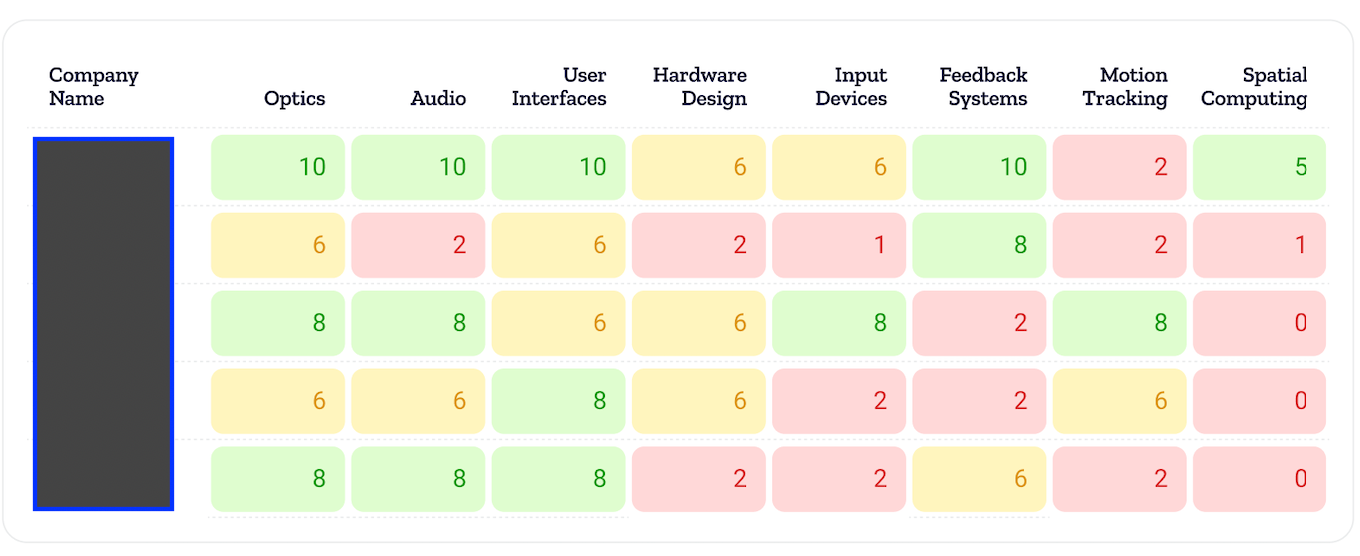
Now, you can see exactly how many patents map to each competitor — and even more granularly, which patents hit them where they make their revenue. It’s the first step toward turning a pile of patents into an actual strategic defense.
Not only is this more strategic than filing patents just to reach filing goals, it’s also the simplest way to justify patent spend: “Here’s how our portfolio protects us from our competitors.”

Subscribe to our newsletter
Get the latest insights on IP strategy and patent portfolio management, straight to your inbox.
Power Every Patent Decision
With One Platform
See how ArcPrime connects your portfolio, workflows, and business context to help your team make better decisions across the patent lifecycle.
